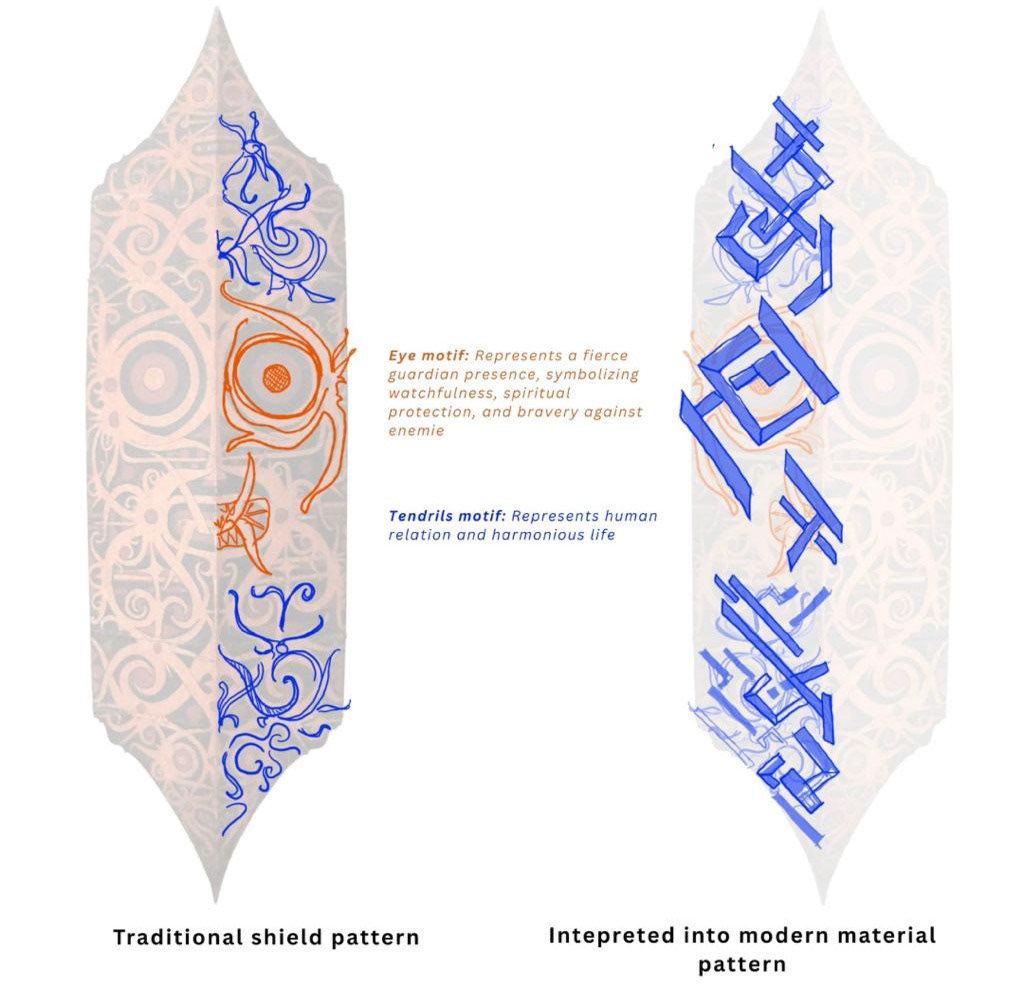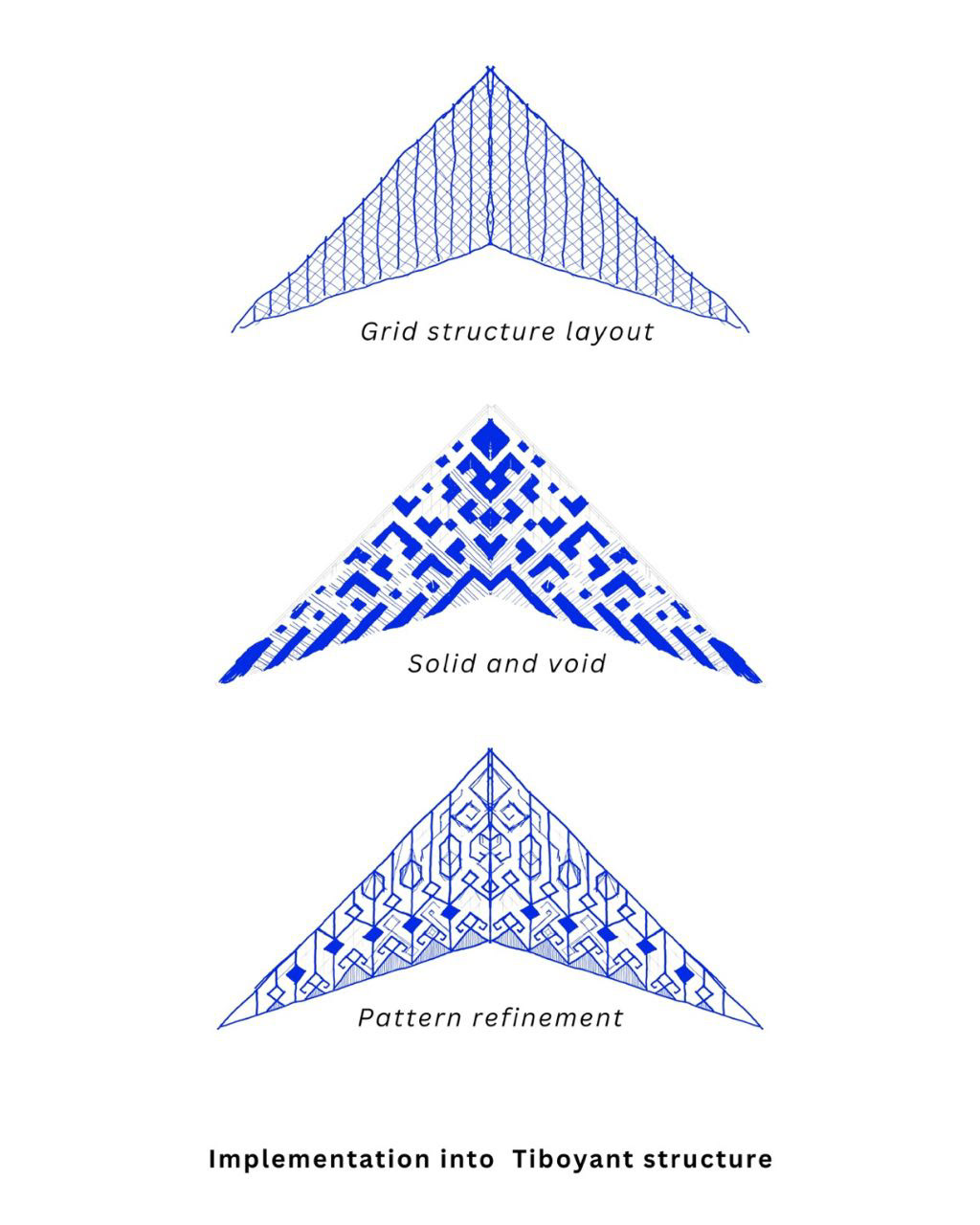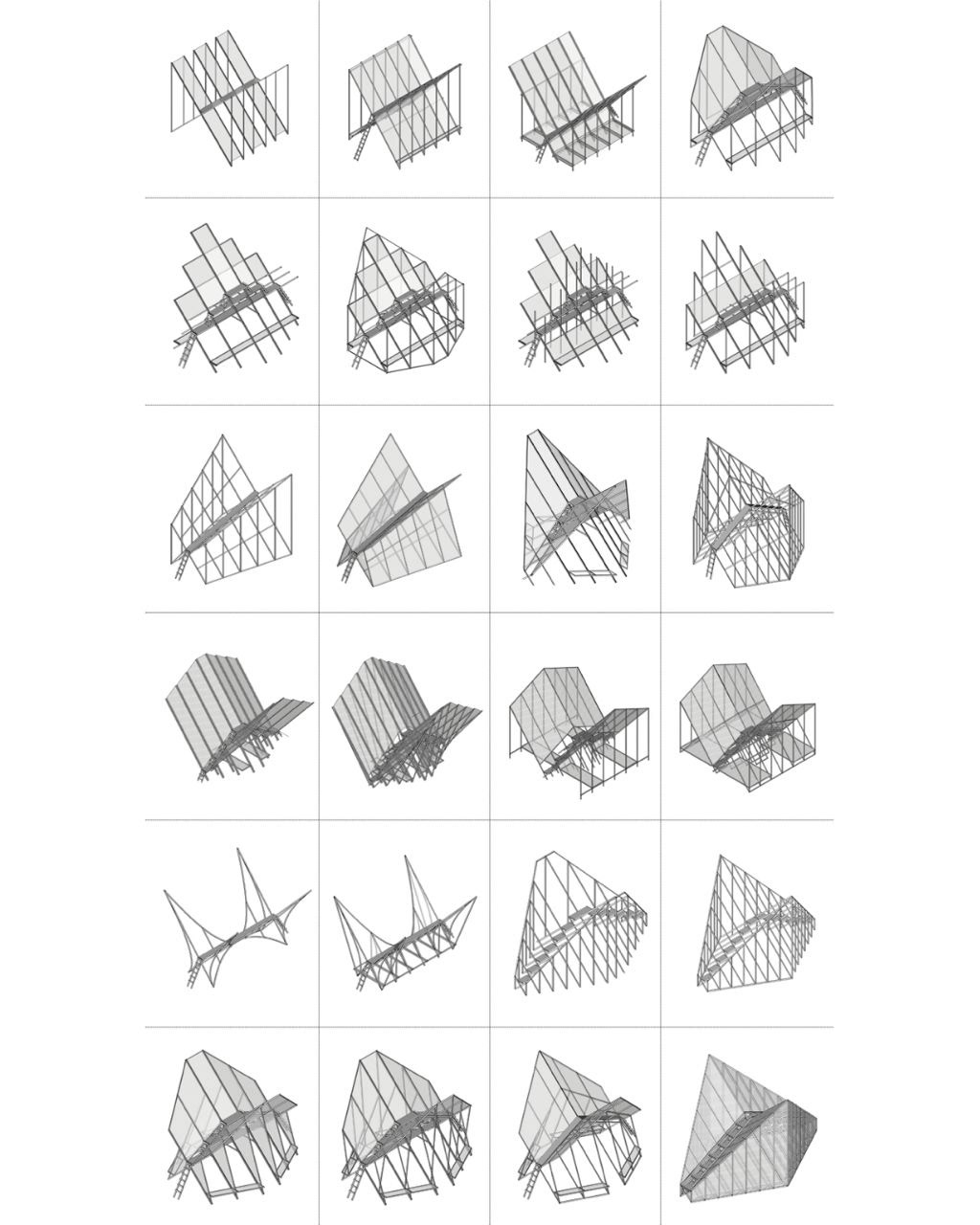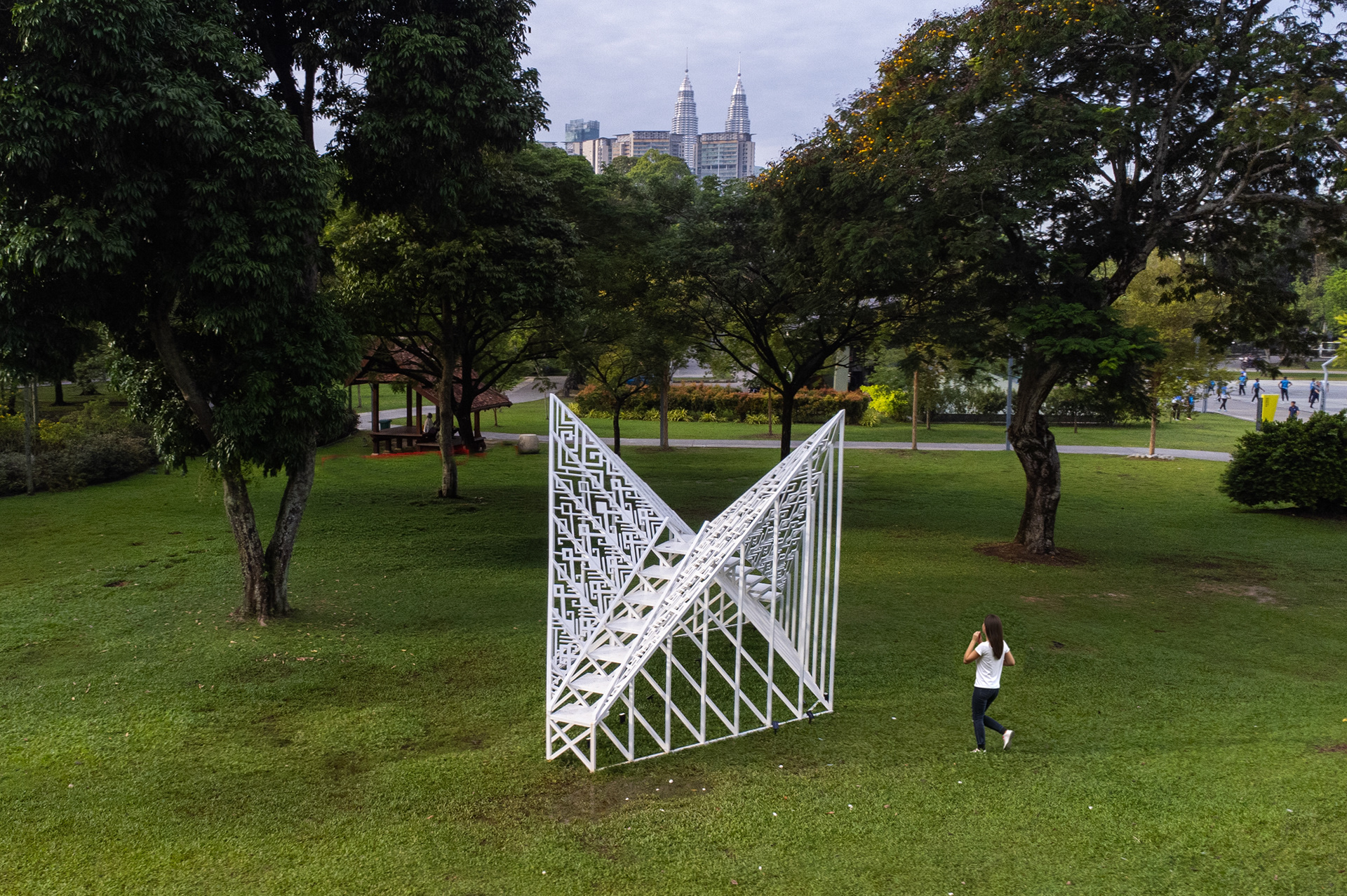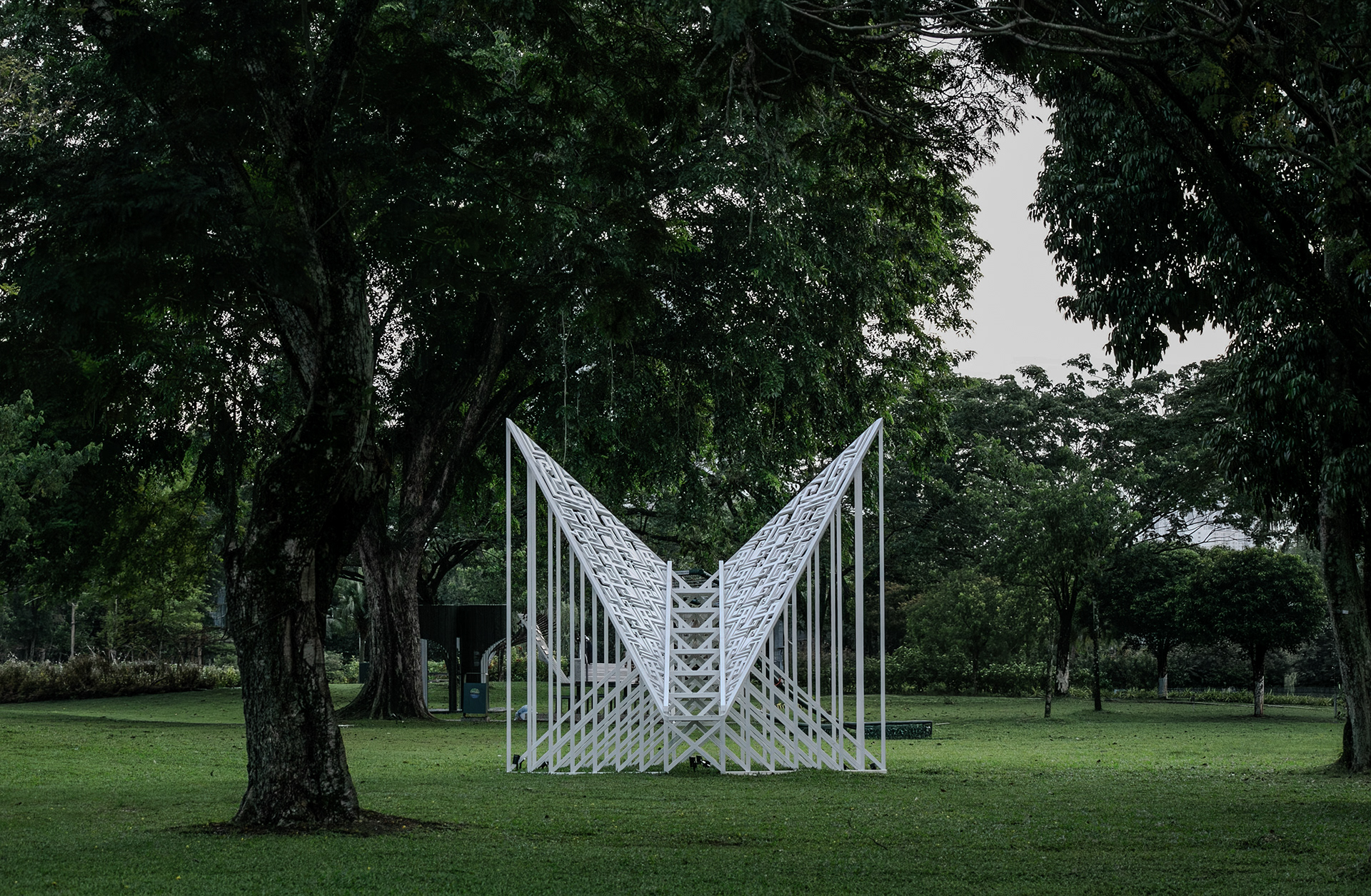
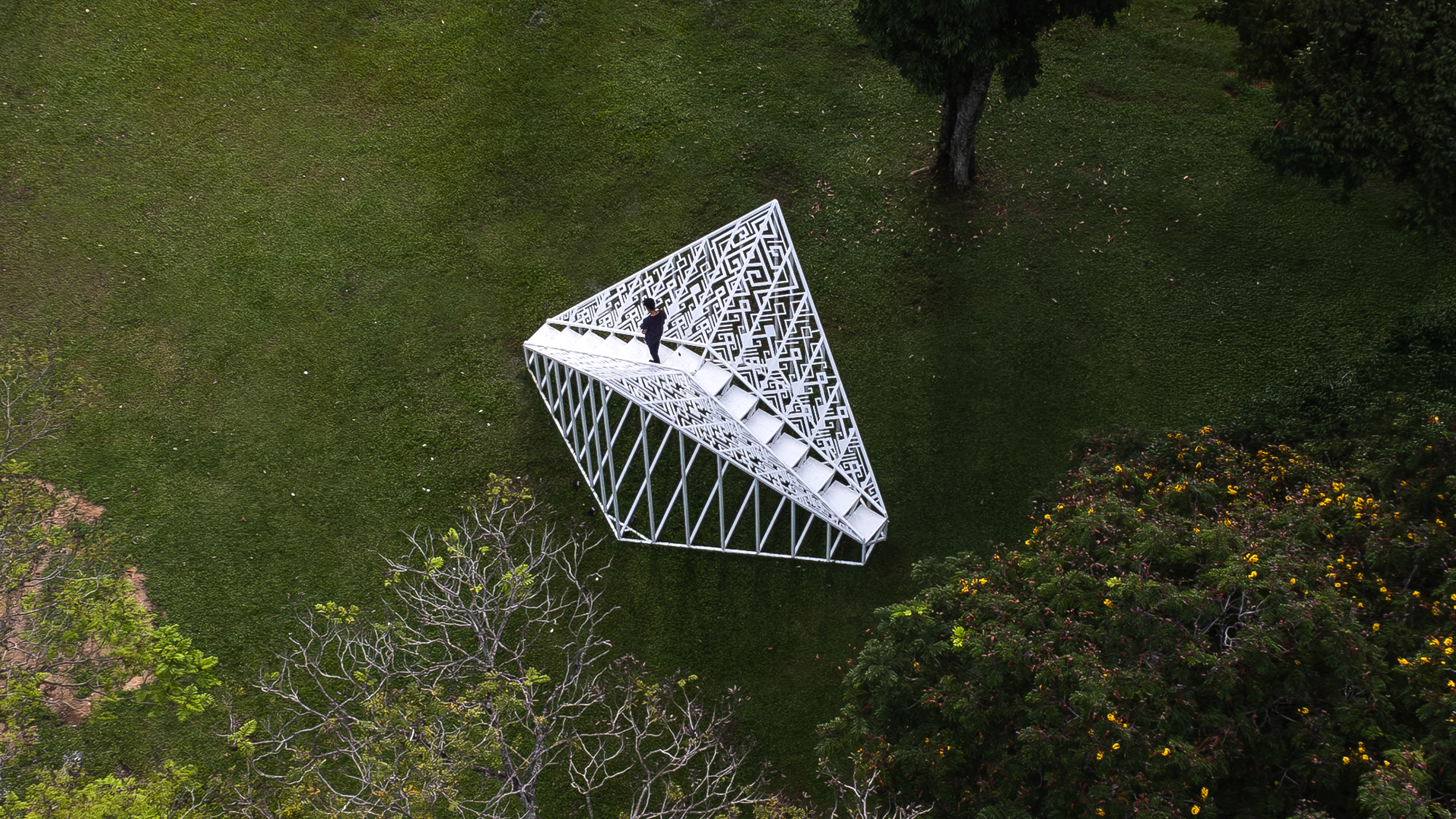
The Tiboyant transforms the structural intelligence of the traditional Bidayuh bamboo bridge into a contemporary pavilion, exploring how Malaysia’s indigenous knowledge can be translated into a future architectural language.
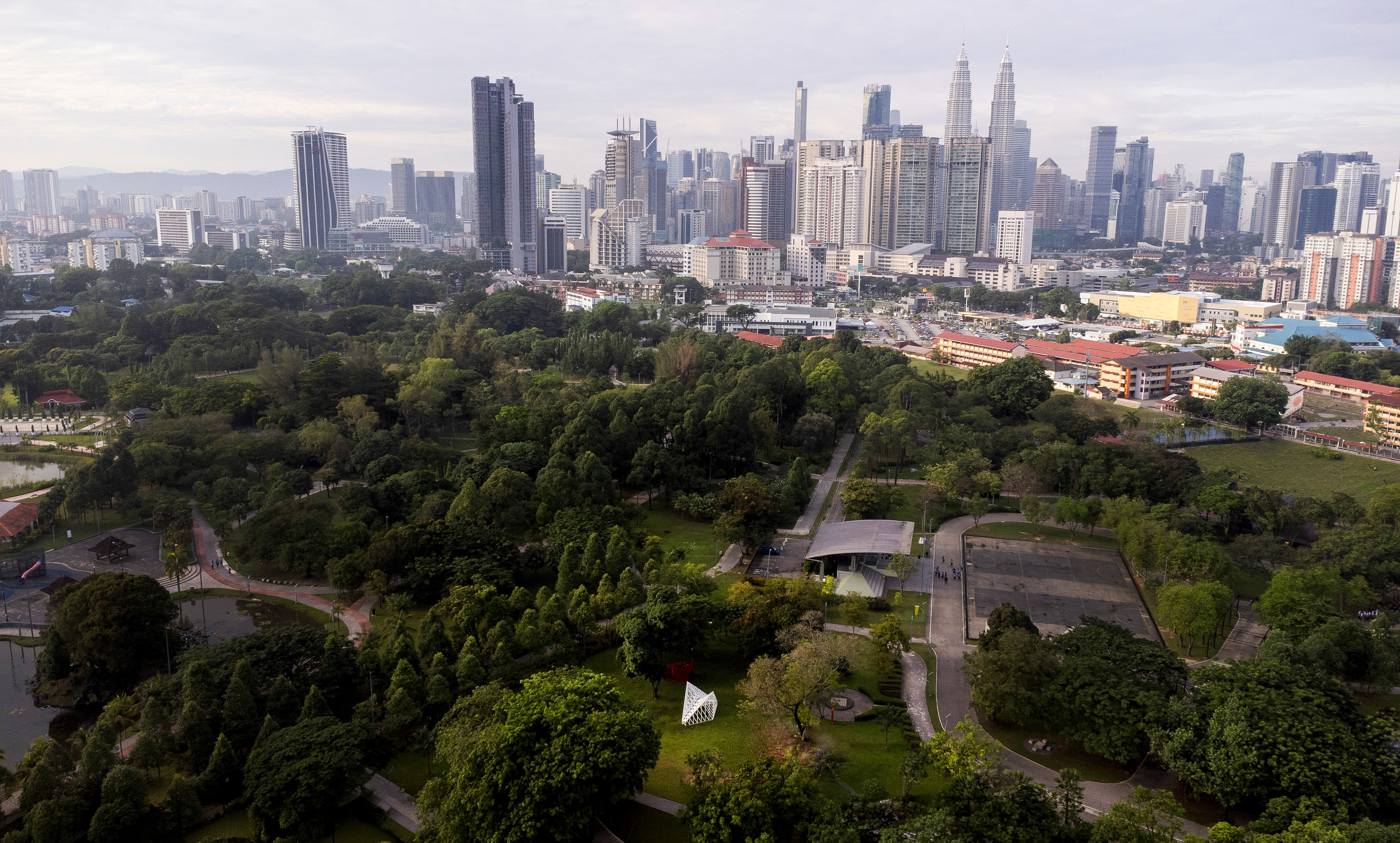
Located within the Titiwangsa Lake Garden in Kuala Lumpur, the pavilion establishes a dialogue between Malaysia’s natural landscape, indigenous heritage, and rapidly evolving urban identity. The original linear logic of the bridge is expanded into an inhabitable public structure, where circulation becomes an architectural experience. A central spine guides visitors through and upward into the pavilion, creating opportunities for movement, pause, gathering, and observation.
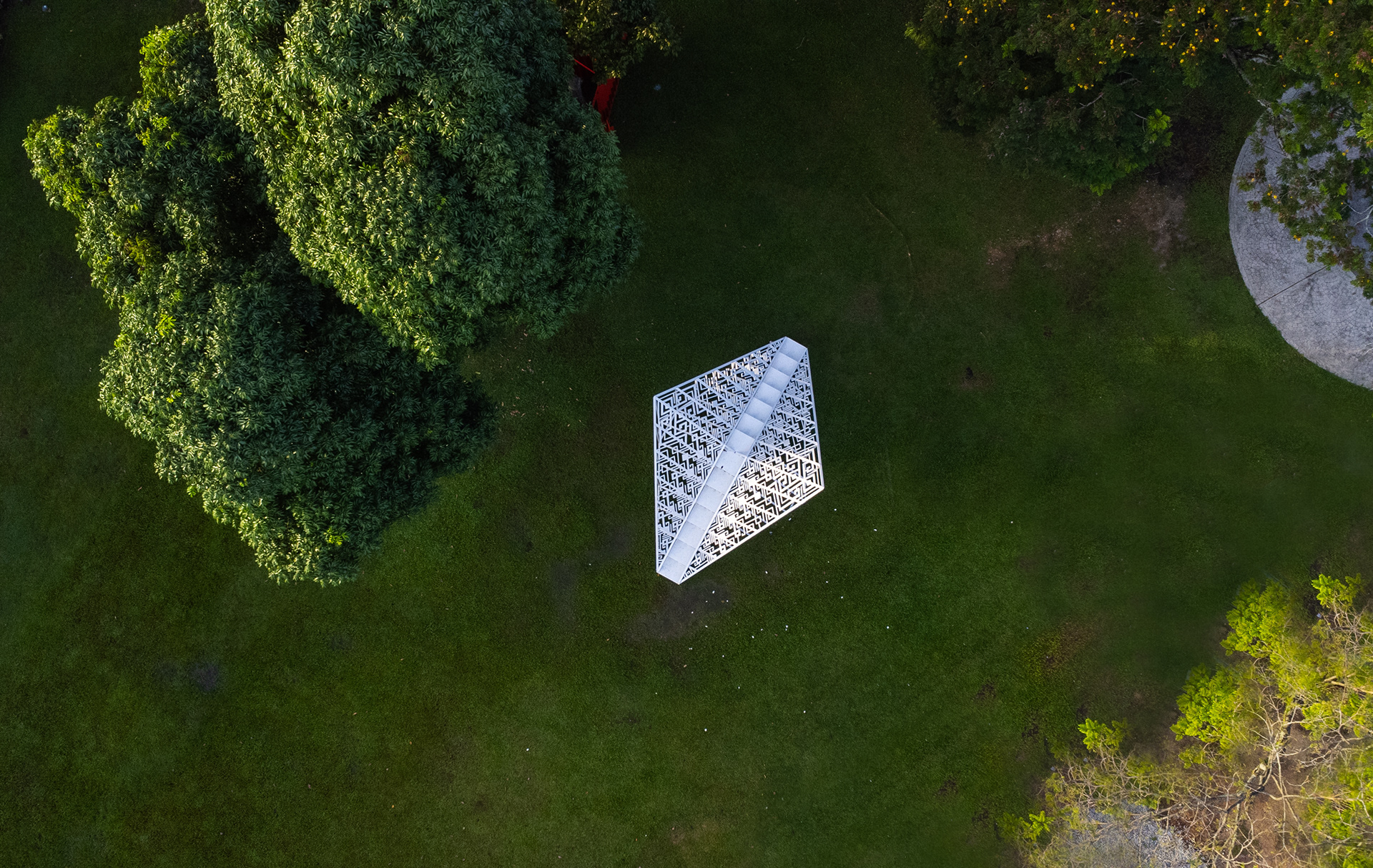
Through translation rather than imitation, The Tiboyant positions vernacular architecture as a living intelligence rather than a historical artifact. It proposes that Malaysian architectural identity does not need to be invented through imported references or symbolic gestures, but can emerge from rediscovering and evolving knowledge already embedded within its indigenous cultures.
The Tiboyant also takes on the role of a playful architectural playground, inviting children to climb, explore, and experience the structure through movement while discovering its spatial and structural logic firsthand.
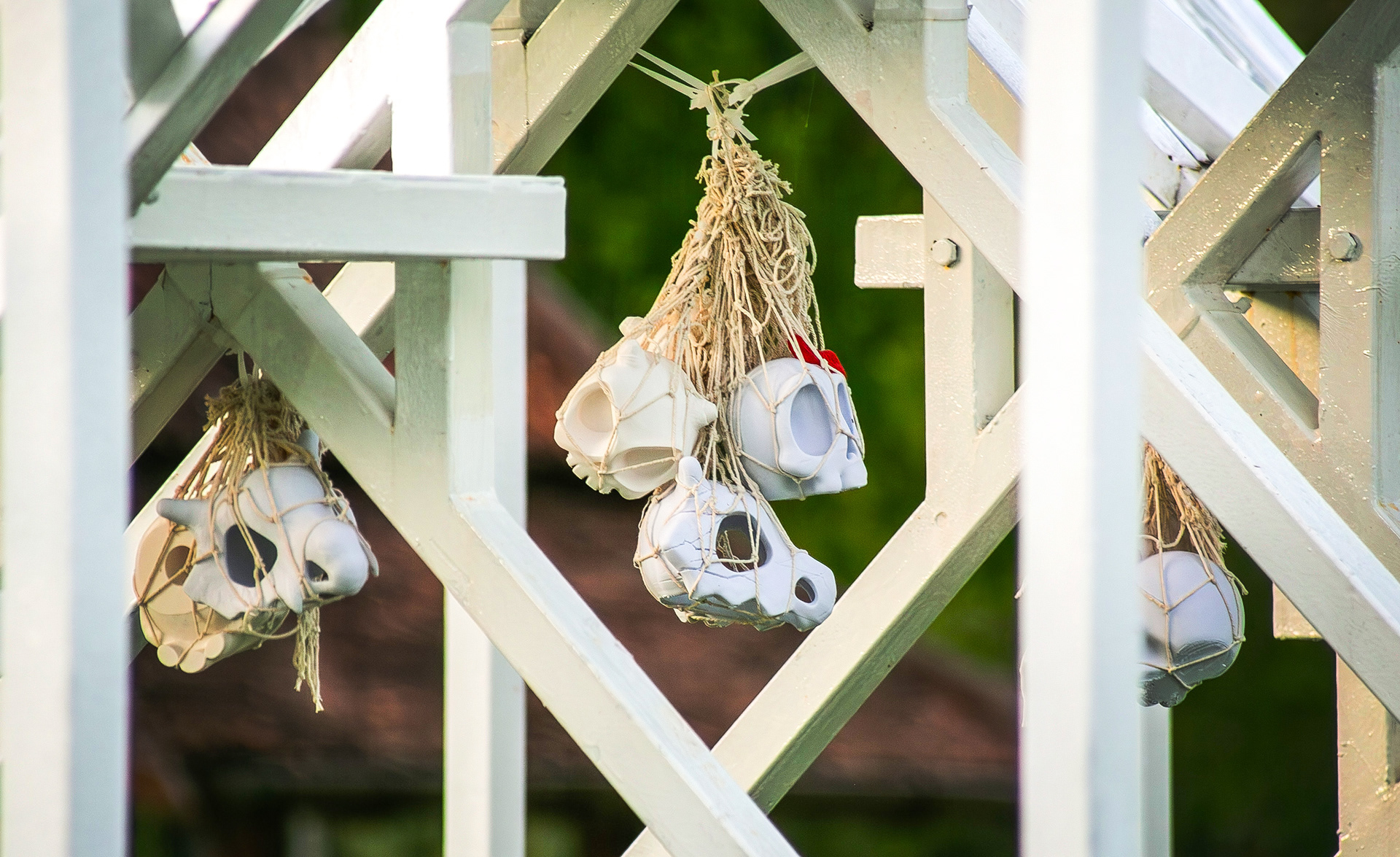
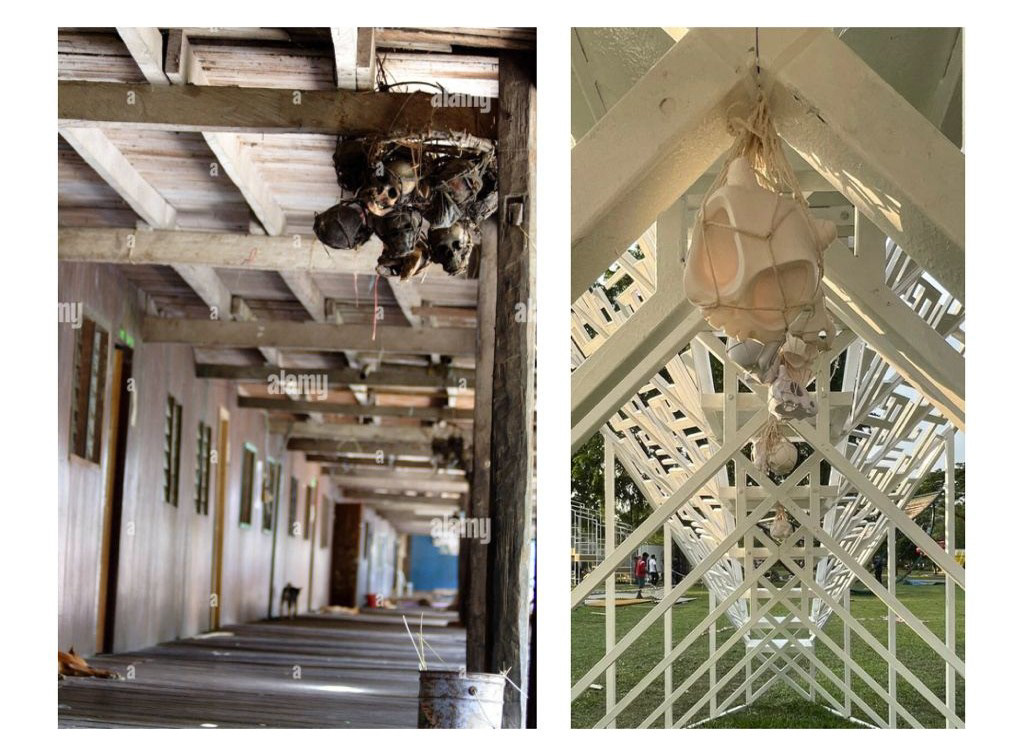
Suspended within the structure are sculptural forms inspired by the human skull, recalling the Dayak’s historical headhunting traditions. Once symbols of power, memory, and protection, the 3D printed skull is reinterpreted here as a contemporary cultural artifact, allowing a difficult chapter of indigenous history to remain visible within a new architectural language
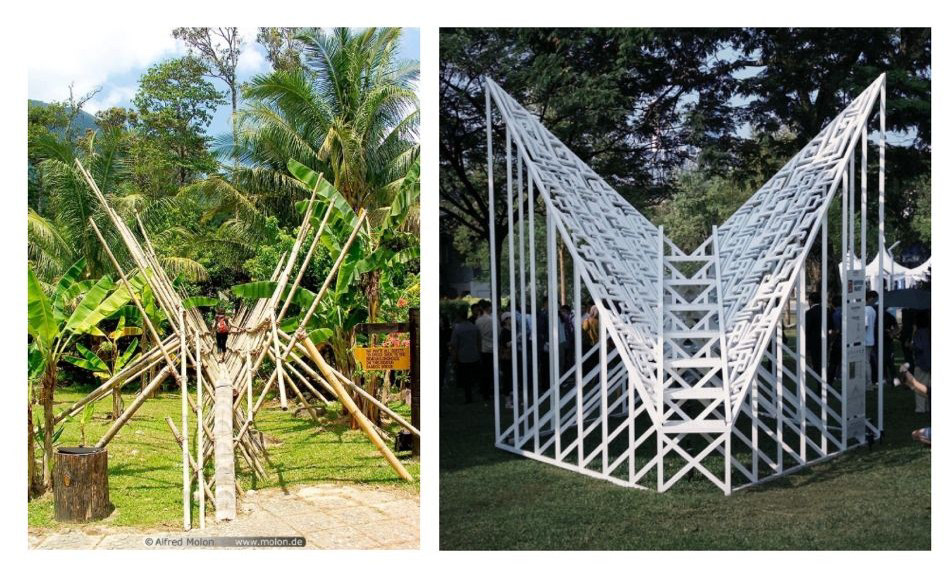
From bamboo to steel, the project traces a transformation of the Bidayuh bridge from a traditional passage into a contemporary architectural experience. Its original structural intelligence is retained, while its form is expanded into a pavilion where circulation, play, pattern, and cultural memory converge.